


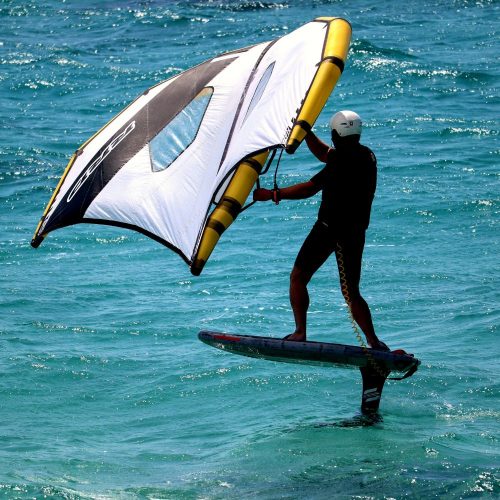
Wingsurfing has emerged as one of the most exciting water sports in recent years, attracting enthusiasts from various backgrounds. Combining elements of windsurfing, kitesurfing, and surfing, wingsurfing offers a unique experience that many find exhilarating. However, for those considering taking the plunge into this new sport, a common question arises: how hard is wingsurfing? Let’s explore the challenges and rewards of wingsurfing while also discussing essential wingsurfing equipment to help you get started.
Understanding Wingsurfing
Before diving into the complexities of learning to wingsurf, it’s essential to understand what the sport entails. Wingsurfing involves riding on a board while holding a wing that captures wind power. Unlike traditional windsurfing where the sail is attached to the board, the wing is held independently and can be manoeuvred freely. This freedom allows for greater versatility in movement and direction.
The Learning Curve
Like any new sport, wingsurfing comes with its own learning curve. For beginners, mastering balance on the board while controlling the wing can be challenging. Here are some factors that contribute to the difficulty level:
Balance and Coordination
One of the primary skills required for wingsurfing is balance. Riders must learn how to shift their weight effectively on the board while simultaneously managing the wing’s position relative to their body and the wind direction. This coordination can take time to develop but improves significantly with practice.
Wind Conditions
Wingsurfers are at the mercy of wind conditions. Ideal conditions typically involve steady winds ranging from 10-25 knots (approximately 11-29 mph). Beginners may find it difficult to gauge these conditions accurately or may struggle with stronger winds that can lead to loss of control.
Equipment Familiarity
Understanding your wingsurfing equipment is crucial for success in this sport. Familiarity with your wing size and type will impact your performance significantly. Larger wings provide more lift but can be harder to control in strong winds; conversely, smaller wings offer less lift but allow for quicker manoeuvrability.
Essential Wingsurfing Equipment
To embark on your wingsurfing journey successfully, investing in quality equipment is vital. Here’s a breakdown of essential wingsurfing gear:
The Wing
The most critical piece of equipment in wingsurfing is undoubtedly the wing itself. Wings come in various sizes and designs tailored for different skill levels and wind conditions:
- Beginner Wings: These are typically larger with more surface area for better lift.
- Intermediate/Advanced Wings: Smaller and more agile options allow experienced riders greater control over speed and manoeuvrability.
The Board
Choosing an appropriate board is equally important as it affects stability and performance:
- Foil Boards: These boards have a hydrofoil attached underneath which lifts you above water when enough speed is achieved.
- Surf Boards: Traditional surf-style boards are also popular among beginners as they provide stability during initial learning phases.
Safety Gear
Safety should never be overlooked when engaging in any water sport:
- Impact Vest: Provides buoyancy and protection against falls.
- Helmet: Essential for protecting your head during wipeouts or collisions.
- Leash: A leash connects you to your board ensuring it doesn’t drift away after a fall.
Tips for Beginners
If you’re eager to try out wingsurfing but feel daunted by its challenges, here are some tips that may help ease you into this thrilling sport:
Take Lessons
Consider enrolling in lessons from certified instructors who can guide you through proper techniques and safety measures. Professional guidance will accelerate your learning process significantly compared to self-teaching.
Start Small
Begin with smaller sessions focusing solely on getting comfortable with balancing on your board before introducing wing handling into your practice routine.
Practice Regularly
Consistency is key! Regular practice will help reinforce muscle memory needed for effective balance and coordination while riding.
Conclusion
So how hard is wingsurfing? While it does present challenges—particularly regarding balance, wind conditions, and equipment familiarity—the rewards far outweigh these obstacles once you’ve mastered them. With dedication, patience, and quality wingsurfing equipment tailored to your needs, anyone can learn this exhilarating sport!
As you embark on this journey into wingsurfing, remember that every expert was once a beginner; embrace each challenge as part of an exciting adventure waiting just beyond those waves!
If you fancy a lesson on the waters at the popular West Wittering and surrounding area, then contact us.
