


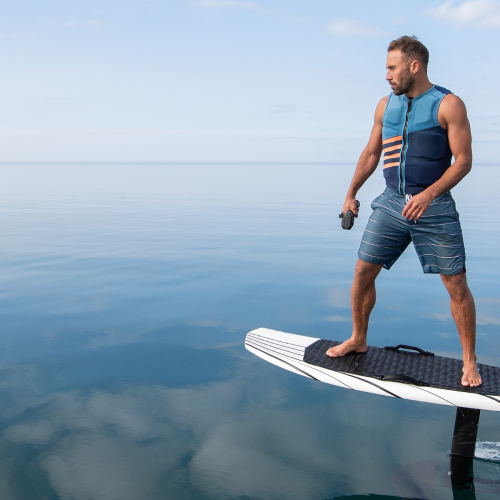
Efoiling has emerged as one of the most exciting water sports in recent years, combining elements of surfing, kiteboarding, and traditional wakeboarding. But a question that often arises among enthusiasts is: can you surf waves on an efoil? This blog post will explore the concept of efoiling surfing, its mechanics, and what you need to know to ride the waves like a pro.
What is Efoiling?
Before diving into the specifics of efoiling surfing, it’s essential to understand what an efoil is. An efoil is essentially a surfboard equipped with a hydrofoil and an electric motor. The hydrofoil lifts the board above the water’s surface when sufficient speed is achieved, allowing for a smooth ride that feels almost like flying over the water.
The electric motor is powered by a battery pack and can be controlled using a handheld remote. This setup allows riders to glide effortlessly across flat water or even catch small waves without needing wind or additional assistance.
The Mechanics of Efoiling Surfing
Efoiling surfing combines traditional wave riding with the unique capabilities of an electric hydrofoil. While conventional surfing relies on paddling out and catching waves using your body’s strength and timing, efoiling allows for a different approach.
Catching Waves
One of the most significant advantages of efoiling surfing is that you don’t need massive swells to enjoy your ride. With an efoil, you can catch smaller waves that might not be suitable for traditional surfers. The electric motor provides enough thrust to propel you forward, allowing you to paddle into position quickly.
Once you’re in position and have caught a wave, the hydrofoil will lift your board above the surface as you gain speed. This elevation reduces drag significantly compared to traditional surfing, enabling riders to glide smoothly over choppy waters or small swells.
Riding Techniques
Riding an efoil on waves requires some adjustment in technique compared to standard surfing. Here are some tips for mastering efoiling surfing:
- Balance: Maintaining balance is crucial when riding an efoil. As the board lifts out of the water due to hydrofoiling, it becomes more sensitive to shifts in weight. Keep your knees slightly bent and centre your weight over your feet for better stability.
- Speed Control: Unlike traditional surfing where momentum comes from paddling and wave energy, speed control on an efoil relies heavily on throttle management via the remote control. Practice adjusting your speed gradually; too much throttle can lead to loss of control while too little may cause you to sink back into the water.
- Turning: Turning while foiling requires subtle shifts in weight rather than aggressive movements typical in regular surfing. Lean gently into turns while maintaining balance; this will help keep your foil engaged with the water.
- Wave Selection: Not all waves are suitable for efoiling; smaller swells are generally better suited due to their manageable size and energy levels. Look for gentle rolling waves rather than steep breaks that could cause instability or danger.
Advantages of Efoiling Surfing
Efoiling offers several advantages over traditional wave riding:
- Accessibility: Efoils allow riders of all skill levels—beginners included—to experience wave riding without needing extensive training or experience.
- Extended Ride Time: With no need for constant paddling back out after each ride, riders can enjoy longer sessions on the water.
- Less Dependence on Conditions: Efoils enable surfers to enjoy their sport regardless of wind conditions or swell size since they can generate their own power.
- Reduced Fatigue: The electric motor takes away much of the physical exertion required in traditional surfing, making it easier for longer rides without tiring quickly.
Challenges Faced by Efoilers
While there are many benefits associated with efoiling surfing, there are also challenges:
- Cost: Efoils can be expensive investments compared to standard surfboards.
- Weight Limitations: Some models may have weight restrictions which could limit who can use them effectively.
- Battery Life: Depending on usage patterns and conditions, battery life may limit how long one can ride before needing a recharge.
- Learning Curve: Although easier than learning traditional surfing techniques initially due to its propulsion system—mastering balance while foiling does require practice!
Conclusion
In conclusion, yes—you absolutely can surf waves on an efoil! This innovative sport offers unique opportunities for both seasoned surfers looking for something new and beginners eager to try their hand at riding waves without extensive training required upfront.
With proper technique adjustments along with understanding how best utilise its features—efoiling opens up endless possibilities! So grab your gear and hit those waters; adventure awaits! Contact us today
